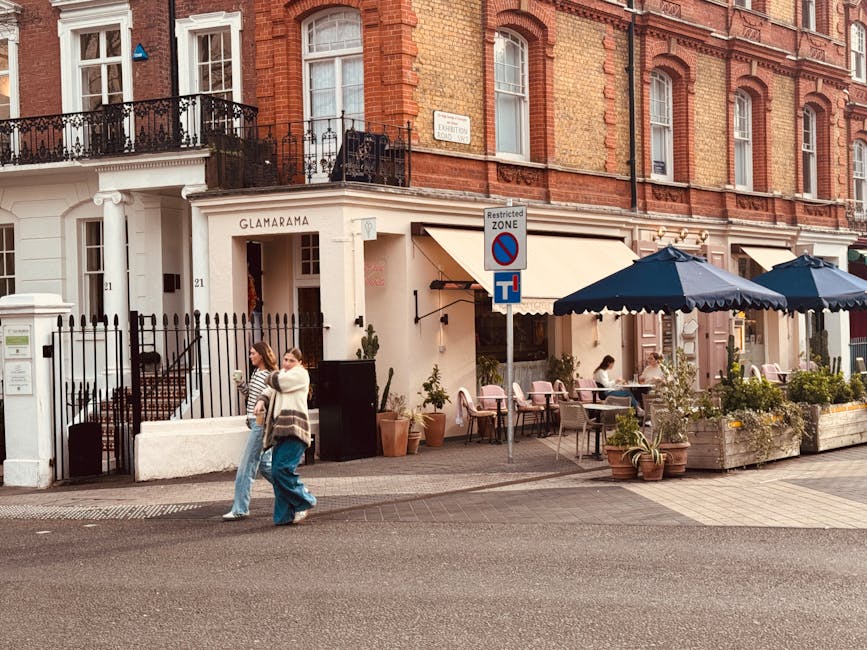
Permit requirements for removals SW7 Kensington and Chelsea: what you need to know before moving day
If you are planning a move in SW7, the permit requirements for removals in Kensington and Chelsea can feel like one more thing on an already full plate. Box labels, lift access, awkward stairwells, parking bays, tight mews roads, and a van that needs somewhere legal to stop. It adds up quickly. The good news is that, in many cases, the process is manageable once you know what kind of permission is actually needed and who usually arranges it.
This guide explains the practical side of permit requirements for removals SW7 Kensington and Chelsea in plain English. You will see when a parking bay suspension, dispensation, or other local permission may be needed, what can happen if you ignore it, and how to plan a smoother move without last-minute stress. Truth be told, the easiest removals are usually the ones that were prepared for a little earlier than everyone thought necessary.
Why Permit requirements for removals SW7 Kensington and Chelsea Matters
In SW7, the difference between a calm moving day and a stressful one often comes down to access. Kensington and Chelsea has busy streets, limited kerb space, resident parking controls, and plenty of properties where loading from the road is not exactly simple. Even a short stop can become a problem if it is not planned properly.
Permit requirements matter because removals are not just about moving items from A to B. They are also about where the vehicle can legally wait, how long it can stay there, whether the bay is shared with residents, and whether the move needs special timing to avoid disruption. If you have ever watched a removal van circle a street while someone on the pavement checks the clock, you will know why this is important.
For flats, mansion blocks, townhouses and offices around South Kensington, even a well-organised team can run into delay if the vehicle cannot park close enough. That can affect labour time, safety, and how confidently the team can handle bulky furniture. A simple permit or parking arrangement can prevent all of that.
Expert summary: the aim is not to make removals bureaucratic. It is to make loading legal, safe and efficient so the move does not get derailed by parking restrictions or avoidable fines.
How Permit requirements for removals SW7 Kensington and Chelsea Works
In practical terms, permit requirements for removals SW7 Kensington and Chelsea usually revolve around three things: parking, loading, and timing. The exact arrangement depends on the street, the type of vehicle, and how long the vehicle needs to stay in place.
Here is the simple version. If the removal vehicle can stop legally without causing an obstruction, no special permission may be needed. If it cannot, you may need a parking arrangement, a bay suspension, a loading dispensation, or another form of local approval. The exact label matters less than the outcome: the vehicle must be allowed to operate where it needs to be.
For example, a narrow SW7 street with resident bays and yellow lines is very different from a private forecourt or a dedicated loading area. A ground-floor flat with easy street access is not the same as a top-floor conversion flat with a shared entrance, lift booking, and a strict estate manager. Same neighbourhood, completely different access story.
Most people only realise this when they start measuring the sofa against the stairwell. Slightly too late, to be fair.
As a rule, you should think about:
- where the removal van will park
- whether parking spaces or loading bays are controlled
- how long the vehicle will need
- whether there are time restrictions or access rules
- whether neighbours, building management, or a concierge need notice
If your move also involves multiple stops, a larger vehicle, or storage between properties, planning becomes even more important. In some cases, services such as man and van, removal van, or moving truck support can help match the vehicle size to the street conditions more sensibly.
Key Benefits and Practical Advantages
Sorting out access and permission early can sound dull, but it pays off in ways people notice fast on moving day.
1. Fewer delays. The team can get the vehicle positioned properly and start loading sooner. That matters in SW7 where finding a gap at the curb can be a small battle.
2. Lower risk of fines or clampdowns. Parking in a restricted space without the right arrangement can create unnecessary cost. Nobody wants that surprise in the middle of a move.
3. Better safety. When the van is close to the entrance, there is less carrying distance, fewer trip hazards, and less chance of damage to furniture or walls.
4. Less pressure on you. You can focus on the actual move rather than fielding calls about where the vehicle is supposed to go.
5. Smoother coordination with neighbours or building staff. If you have already arranged access, people are usually more helpful. It just takes the edge off the day.
There is also a commercial angle. A move that is planned properly often feels more professional and less chaotic. That applies whether you are moving a one-bedroom flat, a family home, or an office. If you are comparing options, it can be useful to look at related support such as flat removals, home moves, or office relocation services depending on the type of move.
Who This Is For and When It Makes Sense
Permit requirements for removals SW7 Kensington and Chelsea are relevant for far more people than first-time movers. In practice, they matter whenever a vehicle cannot simply pull up, load, and go without affecting traffic rules or access conditions.
You will usually want to check permit or parking needs if you are:
- moving from a flat in a controlled parking zone
- using a van or lorry that will need curbside loading space
- moving from a property with no private driveway
- on a mews street, side road, or narrow one-way road
- moving large or fragile items like pianos, wardrobes, or heavy appliances
- coordinating an office move with building management or service lifts
- doing a same-day move where timing is tight
Students moving in and out of shared accommodation also run into this more than they expect. A small vehicle may still need somewhere legal to stop, especially if there are several boxes, bedding, a desk, and that one chair that somehow weighs more than it should. For lighter loads, services like student removals or same-day removals can be a practical fit, but the parking question still remains.
It makes sense to check early if your building has an estate manager, concierge, loading bay rules, or restricted lift hours. Those details can matter just as much as the street outside.
Step-by-Step Guidance
If you want the short version, here it is: assess access, confirm the rules, arrange permission if needed, and keep everyone informed. But let us break that down properly.
- Check the property access first. Look at the street, the entrance, the width of the road, and any obvious signs about loading or parking restrictions. Ask yourself: can a van stop here without causing problems?
- Measure the practical obstacles. Stair widths, lift dimensions, doorway clearances, and long internal carries all affect how long the vehicle needs to stay nearby.
- Confirm whether permission is needed. In many London moves, the issue is not the move itself but the stop-and-load part. If the vehicle needs a controlled bay, arrangement, or suspension, handle that before the date arrives.
- Tell your removal team about the access conditions. Good planning depends on accurate details. A removal team can usually advise on vehicle choice, timing, and how much space they will need.
- Coordinate with building management if relevant. If you need lift booking, security access, or a loading slot, get that confirmed in writing or at least clearly noted.
- Build in time buffer. In SW7, traffic and parking can be unpredictable. Give yourself a little breathing room. Not a dramatic amount, just enough so one small delay does not become a disaster.
- Prepare the load for quick movement. Use labelled boxes, padded furniture, and clear pathways so the team can load efficiently once the vehicle is in position.
If the move is complex, support such as packing and boxes or packing and unpacking services can make the loading phase much faster, which is genuinely helpful when parking time is limited.
One practical tip: keep your phone on and charged on the day. Sounds obvious, yes, but it saves a lot of back-and-forth if the vehicle is arriving slightly earlier or later than planned.
Expert Tips for Better Results
The best removals are rarely the most dramatic ones. They are usually the ones where the boring bits were handled early. Here are a few experienced, real-world tips that help in SW7.
Choose the right vehicle size. A bigger vehicle is not always better. On a tight London street, a smaller van parked legally can be far more efficient than a large truck that cannot get near the property. If access is awkward, a removal van or man with van approach may be smarter than forcing a larger setup.
Book around local conditions, not only around your own schedule. If the street is busier in the morning, a mid-morning start may actually be better. On some roads, a 9:00 a.m. start looks neat on paper and turns into a parking headache in reality.
Keep critical items separate. Documents, keys, valuables, chargers, and medication should travel with you. That avoids unnecessary rummaging if loading takes a bit longer than planned.
Ask about insurance and handling. When furniture is being carried through tight halls or up stairs, you want a team that understands protection, wrapping, and safe lifting. It is not glamorous, but it matters. You can also review general standards through insurance and safety and health and safety policy information if you want to understand the approach better.
Use storage if the timings do not line up. Sometimes the new property is not ready, or completion timing shifts. A short-term storage solution can reduce pressure and make permit or parking arrangements much easier. That is where storage can be very handy.
And one more, slightly obvious but often ignored: tell the removal team about any piano, safe, large mirror, or awkward antique. Surprises are lovely in birthdays, not in removals.
Common Mistakes to Avoid
Most moving-day problems in SW7 are avoidable. Most. Not all, because London likes to keep things interesting, but most.
- Leaving permission too late. Parking and access arrangements are not something to sort the night before.
- Assuming a small van can stop anywhere. Even compact vehicles must obey local restrictions.
- Forgetting about building rules. A private block may have its own loading procedures, time windows, or lift bookings.
- Not checking the real walking distance. A property can look close to the road and still involve a long carry through a courtyard or internal corridor.
- Failing to plan for weather. Rain changes everything a bit. Wet stairs, damp boxes, and slippery pavement are not fun.
- Ignoring the timing of the local traffic pattern. School runs, delivery peaks, and commuter traffic can all affect how quickly the vehicle can get in and out.
- Choosing the wrong service level. A simple van may suit a light move, while a more complex property could need a fuller removals setup.
One small, human mistake we see all the time: people pack the kitchen perfectly and then leave the kettle, tea bags, and mugs in a random box marked "misc." Nothing says moving day like searching for the one thing that could have made the first cup of tea. Ridiculous, but there we are.
Tools, Resources and Recommendations
You do not need a complicated system to manage a move in SW7. A few simple tools and habits go a long way.
Useful things to have:
- a floor plan or room list
- a tape measure for doors, lifts, and awkward furniture
- labels or coloured stickers for boxes
- a phone photo record of parking signs and access points
- a written moving-day timeline
- a contact list with building management, the removal team, and key people involved in the move
Good service matches:
- removals for a standard household move
- house removals if you are moving a full property
- flat removals for apartments and upper-floor properties
- office removals for business premises
- furniture removals for single-item or partial moves
If you are comparing providers or planning budget, a page like pricing and quotes can help you understand what is typically included. For company background and service standards, about us is also worth a look. That sort of reassurance matters when you are trusting someone with the contents of your home.
Law, Compliance, Standards, or Best Practice
For removals in SW7, compliance is mostly about staying within local parking rules, respecting building access requirements, and operating safely. The exact permissions required can depend on the street and the property, so it is wise not to rely on assumptions. London streets are often controlled in some way, and the cost of getting it wrong can be disruption, penalties, or awkward conversations with neighbours.
From a best-practice point of view, the removal plan should be based on clear information: vehicle size, loading duration, access route, and any restrictions on stopping. If there is a controlled bay, permit, or suspension required, it should be arranged before the move rather than guessed on the day. That is just sensible, really.
Health and safety also matters. Heavy lifting, stair carries, and tight turns are routine in removals, but they still need proper handling. Good operators should be conscious of manual handling, property protection, and the need to reduce risk for both customers and staff. If you want more detail on how the business approaches that side of work, related information is available on health and safety and insurance and safety.
Best practice also includes being honest about access limitations. If the street is narrow, if there is no lift, or if the move must happen during a tight window, say so early. A good moving plan is one that expects the reality of the building, not the version you wish existed.
Options, Methods, or Comparison Table
Different moves in SW7 call for different levels of planning. This quick comparison can help you decide what is likely to work best.
| Option | Best for | Access and permit needs | Practical note |
|---|---|---|---|
| Man and van | Smaller loads, flexible timing, lighter household moves | Often simpler, but still needs legal stopping space | Useful where streets are tight and quick loading helps |
| Removal van | Medium moves and multi-room loads | May need more room and more careful parking planning | Good balance of capacity and manoeuvrability |
| Moving truck | Larger moves, bulkier items, fuller house or office jobs | More likely to need careful access planning or permission | Efficient if the street can support it |
| Storage plus staged move | Moves with uncertain dates or split completion timing | Can reduce pressure on the main moving day | Very handy when access windows are limited |
The right option is not always the biggest one. In a place like SW7, a smaller vehicle with a clean access plan often beats a larger vehicle with no legal place to stand. That is just how the street works.
Case Study or Real-World Example
Here is a realistic scenario. A couple moves from a second-floor flat near South Kensington station into a townhouse in Chelsea. The outgoing property has no private parking, the road is busy, and the lift is small. The arriving property has a narrow frontage and limited kerb space. Easy? Not really.
Rather than hoping for the best, they check access early, tell the removals team about the stair count and the street layout, and arrange the move for a quieter window. They also keep boxes grouped by room and book packing support for fragile items. On the day, the van can stop close enough for quick loading, the team knows what to expect, and the move avoids the usual panic of "where is the vehicle supposed to go?"
Was it perfect? Of course not. One side street was busier than expected and someone had misplaced a lamp shade. But the important bit held together: access was planned, no one was scrambling for a parking solution at the last minute, and the whole thing felt controlled rather than chaotic.
That is the goal with permit requirements for removals SW7 Kensington and Chelsea. Not perfection. Just a move that behaves itself.
Practical Checklist
Use this checklist a few days before the move, then again the day before. It is simple, but it catches most avoidable issues.
- Confirm the exact moving address and any building access instructions
- Check if the street has parking controls, loading rules, or timed restrictions
- Ask whether a permit, dispensation, or bay suspension is needed
- Confirm whether the removal vehicle can legally stop where it needs to
- Tell the removal team about stairs, lifts, long carries, or narrow corridors
- Book any lift slots, concierge notices, or estate permissions
- Measure large furniture and note any items needing special handling
- Prepare clear labels for boxes and separate essentials
- Keep keys, documents, chargers, and valuables with you
- Leave a little time buffer for traffic, access issues, or weather
If your move involves commercial premises, it is worth looking at commercial moves and office relocation services so the access plan is aligned with business timing as well as parking conditions.
Get a free quote today and see how much you can save.
Conclusion
Permit requirements for removals SW7 Kensington and Chelsea are really about making the move work in the real world. In a part of London where parking is tight, streets are busy, and buildings often have their own access rules, getting the permission side right can make the whole day calmer, safer and cheaper in the long run.
The key is simple enough: check access early, match the vehicle to the street, communicate clearly, and do not leave parking arrangements to chance. If you do those things, you have already removed a surprising amount of stress from the process. And honestly, that matters more than people think.
Moving is rarely anyone's favourite day. But with the right planning, it can still feel orderly, human, and completely manageable. That is the aim, after all.
Frequently Asked Questions
Do I always need a permit for removals in SW7 Kensington and Chelsea?
No, not always. If the removal vehicle can park or load legally without breaching restrictions, a permit may not be necessary. The real question is whether the vehicle can stop safely and lawfully for long enough to load.
What is the most common access issue during a SW7 removal?
Parking is usually the biggest issue. Tight streets, resident bays, controlled zones, and limited loading space can all cause delays if they are not planned for in advance.
Who usually arranges the permit or parking permission?
That depends on the arrangement and the service provider. Sometimes the customer handles the permission, sometimes the removals company advises on it or helps coordinate the plan. The key is to clarify this early.
How far in advance should I sort out permit requirements?
As early as possible. A few days may be enough in a simple case, but more complex moves should be checked sooner. The earlier you confirm access, the fewer surprises you get on moving day.
Can a small van avoid permit issues?
Sometimes, but not automatically. A smaller vehicle can be easier to position, yet it still needs legal stopping space. Size helps with manoeuvrability, not with rule-breaking.
Do flat moves in Kensington and Chelsea need different planning than house moves?
Often, yes. Flat removals can involve lifts, shared entrances, booking windows, or longer internal carries. House moves may have different parking or driveway considerations. Both can need careful access planning, just in different ways.
What happens if the vehicle cannot park where planned?
The move may take longer, the team may need to carry items further, and in some cases there may be extra cost or risk of delay. That is why access checks are worth doing properly.
Are office removals more likely to need parking coordination?
Often they are, especially if the building has loading bays, service lift rules, or time-restricted access. Office moves can be smoother when the parking and building management side is confirmed in advance.
Can storage help if the permit timing does not line up?
Yes. If access windows are awkward, storage can give you flexibility and reduce pressure. It is a practical solution when the move date and access arrangements do not quite line up.
Is same-day moving more difficult from a permit point of view?
It can be. Same-day moves often leave less room to correct parking or access issues, so it is especially important to confirm everything early and keep communication clear on the day.
What details should I tell the removals team before moving day?
Tell them about parking restrictions, stair count, lift size, loading access, any bulky items, and whether the building has special rules. A few accurate details can save a lot of time later.
How do I know if I need a bigger vehicle or a smaller one?
Think about both the volume of your belongings and the street access. A large vehicle is useful for capacity, but in SW7 a vehicle that fits the street and can park legally is often the better choice.
Where should I start if I feel unsure about the whole process?
Start with the access question: where will the vehicle stop, and for how long? Once that is clear, the rest of the plan becomes much easier to shape. If needed, you can then look at related support such as removal services or contact us for next steps.