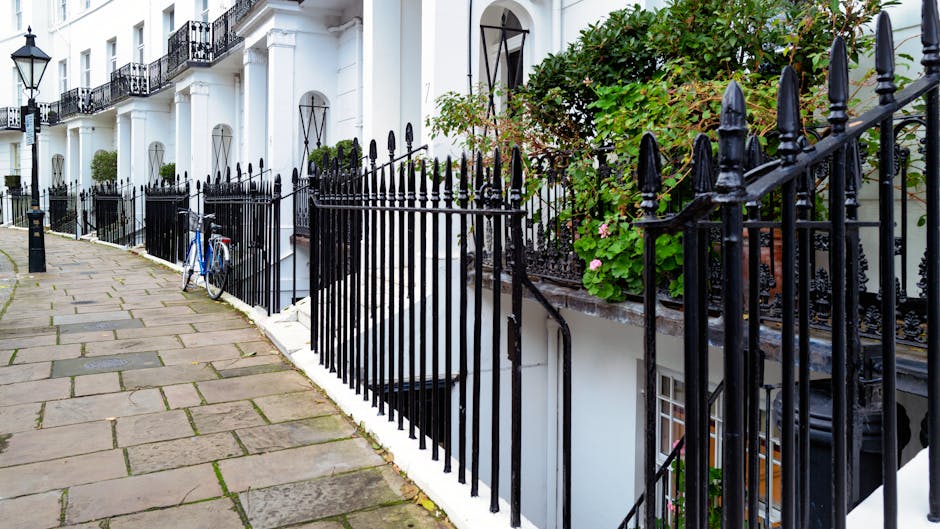


Narrow street challenges man and van South Kensington access
Posted on 18/06/2026
Narrow Street Challenges Man and Van South Kensington Access
South Kensington looks polished from the pavement, but anyone planning a move quickly learns that the real challenge is often the street itself. Narrow carriageways, parked cars, tight turns, resident permits, and awkward loading spots can make a simple man and van job feel like a bit of a puzzle. If you are dealing with Narrow street challenges man and van South Kensington access, you are probably asking the right question: how do you get belongings in or out without delays, damage, or a messy parking problem?
This guide breaks the issue down in plain English. It explains why access matters, how man and van teams typically handle restricted streets, what to do before moving day, and the mistakes that tend to cause the most stress. We will also look at the practical trade-offs between a smaller van, a fuller removal vehicle, and services such as man and van services in South Kensington, plus when a different approach may save time, money, and a fair amount of frustration. To be fair, in this part of London, the road outside can matter as much as the front door.

Why Narrow street challenges man and van South Kensington access Matters
Access problems are not just a minor inconvenience. In South Kensington, narrow streets can affect almost every part of a move: where the van can stop, how long loading takes, whether furniture can be carried safely, and even whether the move starts on time. A street that looks manageable on foot can become awkward once a medium-sized van is involved, especially if there are cars parked on both sides and little room to reverse.
That matters because moving day is already full of moving parts. If the van cannot park close enough, the team may need to carry items further, split the load into smaller trips, or wait for space to open up. None of that is catastrophic, but it does add time, cost, and pressure. And when the lift is tiny, the staircase is narrow, and the sofa is just a little too large for comfort, every extra minute counts.
It also matters for neighbours and building managers. South Kensington has plenty of shared entrances, controlled parking, and residential streets where everyone notices a lorry-like vehicle hovering outside. If you plan well, you reduce disruption and make the job look tidy. That sounds small, but it changes the whole tone of the day.
Expert summary: In tight South Kensington streets, success is usually less about brute force and more about sequencing: choosing the right vehicle, checking stopping space, protecting access routes, and keeping the loading window realistic.
If you are comparing moving options, it is worth understanding the wider service picture first. A good starting point is the site's services overview, and if your move is part of a flat handover, the dedicated flat removals in South Kensington page is also useful reading.
How Narrow street challenges man and van South Kensington access Works
At its simplest, a man and van access plan answers one question: how do we get the vehicle close enough to the property without causing a problem? In a roomy suburb, that may not need much thought. In South Kensington, it often does.
Here is how a well-run move usually works when access is tight:
- Pre-move assessment. The mover asks about street width, parking restrictions, building height limits, concierge rules, and whether the property sits on a one-way road or a cul-de-sac.
- Vehicle choice. The team chooses a van size that balances capacity with manoeuvrability. Bigger is not always better. Sometimes a more compact removal van in South Kensington is the smarter choice.
- Arrival timing. Some streets are easier early in the morning or midweek. A slightly quieter window can make parking and loading far less painful.
- Loading position. The van is placed as close as possible to the entrance, ideally with a safe path for carrying boxes and furniture.
- Protective handling. Items are wrapped, stacked sensibly, and moved in an order that avoids unnecessary shuffling.
- Contingency planning. If access is blocked, the crew may need to wait briefly, move to a secondary spot, or use additional carrying distance.
That is the ideal version. Real life is messier. A delivery truck may already be in the way. A neighbour's car may have parked across the best gap. A road closure can appear with very little warning. You know the sort of thing - the one time everything should go smoothly, something odd happens at 8:15 in the morning.
The point is not to panic. It is to plan for the ordinary friction that comes with tight London streets. For some residents, this is why a smaller van-based move is preferable to a larger traditional removal lorry. For others, a more full-service approach is better because the loading team can adapt faster once on site. If you are weighing this up, the man with a van South Kensington page can help frame the differences in a simple way.
Key Benefits and Practical Advantages
It may sound odd to talk about benefits when the topic is access trouble, but there are genuine advantages to dealing with narrow streets properly.
- Less carrying distance. Good access planning keeps the walking route short, which reduces time and lowers the chance of knocks or drops.
- Lower stress on the day. Everyone works better when nobody is guessing where the vehicle can stop.
- Safer handling. A close loading position means fewer heavy lifts over long distances and fewer awkward turns.
- Cleaner timing. If you know the loading window and parking plan in advance, the move is easier to schedule around keys, building access, or lift bookings.
- Better cost control. Delays caused by poor access can quickly add labour time. Good planning is often cheaper than improvisation.
- Fewer neighbour complaints. A tidy arrival and quick loading period usually make life easier for everyone on the street.
There is also a quiet psychological benefit. Once the first box is safely in the van, the whole move starts to feel manageable. People often underestimate how much confidence comes from a clean first ten minutes. It changes the mood completely.
For households with bulky items, this is especially important. A heavy wardrobe, piano, or sofa can turn into a difficult object very quickly when the route from front door to van is longer than expected. If your move includes awkward pieces, it can help to look at furniture removals in South Kensington or, where relevant, piano removals in South Kensington.
Who This Is For and When It Makes Sense
This topic is relevant to far more people than you might think. The classic case is someone moving from a first-floor flat on a narrow street, but the same access issues show up in office moves, student moves, and same-day relocations too.
You will probably need a careful access plan if you are:
- moving into or out of a terraced or mews-style property;
- living on a road with limited stopping space;
- dealing with a basement, upper-floor flat, or building with tight stairwells;
- moving furniture that is large, fragile, or unusually heavy;
- working to a short window, such as key handover or landlord inspection time;
- trying to avoid disruption in a shared residential street.
Students and renters often feel this most sharply because they are juggling timing, access, and budget all at once. If that sounds familiar, the student removals South Kensington page is worth a look. For people moving a whole property, the house removals South Kensington service may be the more realistic fit.
Businesses also run into similar problems. Office moves on a restricted street can need more coordination than a home relocation because desks, IT equipment, and access schedules all need to line up. In those cases, office removals South Kensington is the better starting point.
Step-by-Step Guidance
Below is the practical sequence I would recommend for anyone facing narrow street access in South Kensington. Nothing fancy. Just the stuff that prevents avoidable headaches.
- Measure the awkward bits. Check the width of the street entrance, the slope, the height of any archway, and the distance from the property to the nearest reasonable stopping point.
- Look for restrictions early. Read the signs on the street, check whether the road is permit-controlled, and note any loading time limits. If you are unsure, ask before move day rather than guessing.
- Photograph the route. A few simple phone photos of the entrance, pavement, stairs, and loading point can be surprisingly useful. They give the mover a real sense of the job.
- Separate the essentials. Put passports, keys, chargers, medication, and a change of clothes aside in a bag you keep with you.
- Pack for fast access. Label boxes clearly and keep heavy books or fragile items in manageable sizes. A box that looks neat but weighs a ton is still a problem.
- Confirm the van type. Make sure the mover knows whether a compact van, medium van, or larger vehicle is needed. The right size matters more than people expect.
- Build in slack. Leave a margin in the booking. Streets do not always cooperate, and that is just London, really.
- Keep the loading path clear. On the day, move bins, bikes, and loose obstacles before the crew arrives.
If you are still comparing providers or want to understand how bookings and pricing usually work, the pricing and quotes page can help you see what kind of information is typically needed upfront.
And if you need a faster turnaround than usual, there is also a dedicated same-day removals South Kensington option to consider. Not every move needs it, but when it does, it is a lifesaver.
Expert Tips for Better Results
Here is where the small details pay off. In narrow South Kensington streets, a few sensible choices can make the whole move feel almost calm. Almost.
- Choose a van that fits the street, not just the volume. If the road is tight, a slightly smaller vehicle can outperform a larger one with more capacity.
- Book the right time slot. Avoid known congestion periods where possible. Early access often helps, especially on weekdays.
- Use furniture protection properly. Blankets, wraps, and straps are not just for show. They stop scuffs on walls and reduce movement in transit.
- Keep a runner at the door. One person managing the entry point can speed things up and prevent boxes being left in the wrong room.
- Plan for a second staging point. If the van cannot park directly outside, agree in advance where items can be left temporarily and safely.
- Be honest about difficult items. A piano, American fridge, or oversized wardrobe should not be treated as a last-minute surprise.
One thing people often overlook is the return leg. It is not only about getting items out. If you are moving into a narrow street, unloading can be just as tricky. The van may need to sit in a different position from the one used for loading, and that can affect how the team stacks the inside of the vehicle.
A practical note: if your move involves boxes and packing materials, you can simplify things by using a proper packing and boxes South Kensington service or at least following a standard box-sizing approach. It sounds basic, but good box discipline saves time. Every time.
Common Mistakes to Avoid
Most access problems are predictable. That is the slightly annoying part. The good news is that once you know them, they become much easier to avoid.
- Assuming the van can stop anywhere. In South Kensington, stopping space is often the whole battle.
- Underestimating carry distance. Thirty seconds on a map can become ten minutes on foot when the entrance is awkward and the street is busy.
- Booking the wrong vehicle size. Too small means extra trips; too large may mean no proper access at all.
- Ignoring building rules. Some properties have lift booking windows, concierge arrangements, or restricted access points.
- Packing fragile items loosely. Rough streets and repeated stopping make weak packing more likely to fail.
- Leaving parking to chance. This is probably the biggest one. Hope is not a parking strategy.
A small warning from experience: people sometimes focus only on the inside of the property. They sort the boxes, book the van, and forget to walk the route from front door to road. Then the driver arrives and says, quite reasonably, "Where exactly can I stand?" That is the moment everyone gets quiet.
It is also worth avoiding hidden-cost surprises. If access is restricted, time can stretch, and poor planning may lead to extra labour charges. Reading the guidance on avoiding hidden charges in South Kensington removals is a sensible move before you commit.
Tools, Resources and Recommendations
You do not need a specialist toolkit to handle narrow street access, but a few simple tools and documents make a big difference.
| Tool or resource | Why it helps | When to use it |
|---|---|---|
| Phone photos of the street | Gives the mover a real view of entrances, turns, and obstacles | Before booking and again the day before the move |
| Floor plan or room list | Makes loading and unloading faster | For flats, houses, and office moves |
| Labels and marker pens | Reduces confusion when the van is unloaded in a hurry | During packing week |
| Protective covers and wraps | Helps with corners, doorframes, and tight stairwells | For furniture and fragile items |
| Backup contact details | Useful if gate codes, concierge access, or timing changes | On move day |
For people who know storage may be needed between dates, the storage South Kensington page is a practical companion to this topic. Temporary storage can take the pressure off if access is tight and dates do not line up neatly.
If you want a broader understanding of what a removal firm can do beyond simple transport, the removal services South Kensington page is helpful. It gives context for planning, packing, loading, and the less glamorous parts of a move.
Law, Compliance, Standards, or Best Practice
This topic is mostly operational, but it still touches on legal and practical best practice. In the UK, movers and customers should take parking restrictions, access permissions, and safety responsibilities seriously. That means checking local street rules, building policies, and any permit or loading restrictions before the van arrives.
There is also a broader duty of care. A mover should aim to protect people, property, and the public space around the property entrance. That includes not blocking pavements more than necessary, not forcing unsafe lifts, and not leaving items where they create a trip hazard. The exact approach depends on the street and the job, but the principle is consistent: keep the move safe and controlled.
Best practice usually includes:
- clear communication before the booking;
- realistic estimates based on actual access;
- safe handling of heavy or awkward items;
- respect for neighbours, building managers, and local parking rules;
- appropriate insurance and sensible packing methods.
If you want reassurance about standards around safety, the company's insurance and safety page and health and safety policy are good places to look. If you are comparing providers more broadly, the removal companies South Kensington page can also help you frame what to expect from a professional operator.
And because trust matters, it is sensible to review commercial terms before any booking. The site's terms and conditions, payment and security, and about us pages are all relevant when you are deciding who to trust with your move.
Options, Methods, or Comparison Table
Not every narrow-street move needs the same solution. The best method depends on how tight the access is, what you are moving, and how much help you want on the day.
| Option | Best for | Strengths | Trade-offs |
|---|---|---|---|
| Man and van | Smaller moves, flats, students, mixed access streets | Flexible, often easier to position, good for short carries | May need multiple trips if the load is large |
| Compact removal van | Tight streets with a modest but serious load | Better manoeuvrability while keeping decent capacity | Not ideal for very large household moves |
| Full removal service | Homes or offices with more furniture and coordination needs | More support, more planning, better for complex jobs | Often more involved to organise |
| Staggered move with storage | When access and timings do not line up cleanly | Reduces pressure on the day, gives breathing room | Adds an extra stage to the move |
If your move is a quick local pickup, the man with a van South Kensington option can be ideal. If you are dealing with larger volumes or more complicated access, you may find the broader removals South Kensington approach more suitable.
For a more localised example of access-aware moving, there is also a useful article on SW7 man and van for Old Brompton Road pickups, which gives a sense of how street layout shapes planning.
Case Study or Real-World Example
Here is a realistic scenario. A couple is moving out of a second-floor flat on a narrow South Kensington street with parked cars on both sides and a short loading bay around the corner. They have a sofa, a bed frame, two wardrobes, several boxes of books, and a few fragile kitchen items. Nothing extraordinary, but enough to make poor planning obvious very quickly.
On the first attempt, the van cannot sit directly outside because a delivery vehicle is already in the best spot. Rather than forcing the issue, the mover uses the nearest safe stopping point and sets a short carry route. The bed frame is taken first because it is awkward and would be hardest to manoeuvre later in the day. Boxes are stacked by room, and a second helper manages the doorway so the stairwell does not clog up.
The move still takes longer than it would on a broad road, of course. But because the access was discussed in advance, nobody is improvising under pressure. The items arrive intact, the neighbours are not annoyed, and the clients avoid that horrible feeling of watching the clock and wondering if the day is going off the rails. Which, let's face it, is the whole point.
That sort of planning is especially useful if the move involves timing pressure from a landlord or estate agent. A bit of structure now can prevent a very long afternoon later.
Practical Checklist
Use this checklist a day or two before the move. It is simple, but that is exactly why it works.
- Walk the route from the property to the road.
- Note any parked-car pinch points or loading restrictions.
- Confirm the van size with the mover.
- Check lift access, stair width, and any booking rules.
- Pack heavy items into smaller boxes.
- Label fragile boxes clearly.
- Keep keys, documents, and valuables with you.
- Move bins, bikes, and clutter out of the way.
- Tell neighbours or building staff if access will be busy.
- Ask about insurance, timing, and what happens if parking is blocked.
If you think you may need help with a tricky schedule, it is wise to read the same-day removals emergency service South Kensington delays article too. It sets realistic expectations for fast-moving jobs where timing is not on your side.
And if you prefer to speak directly with a team before booking, the contact page is the obvious next step.
Conclusion
Narrow streets do not have to ruin a move, but they do require a bit more thought than most people expect. In South Kensington, the difference between a smooth job and a stressful one is often the access plan: the van size, the stopping point, the carry route, and the timing. Once those pieces are handled properly, everything feels easier.
Whether you are moving a flat, shifting office equipment, or simply trying to get furniture out without scraping walls or upsetting the street, the goal is the same: keep things safe, efficient, and calm enough that you can breathe a little. A good mover should make tight access feel manageable, not dramatic.
And honestly, that is the best outcome here. Not perfection. Just a well-run move, fewer surprises, and a day that ends with the keys in your hand and relief rather than regret.
Get a free quote today and see how much you can save.